

When considering ceramic tint vs regular tint, it’s clear that ceramic film blocks significantly more heat and nearly all UV rays, all without interfering with electronics or reducing night visibility. Regular dyed film, on the other hand, provides basic shade and privacy at a lower price point. If you live with intense sun or want cooler cabins and long-term clarity, ceramic wins. If the budget is tight and heat isn’t brutal, regular can be fine.
Introduction
Choosing the right window tint for your vehicle involves more than just picking a shade—it’s about understanding how each option impacts your comfort, protection, and long-term satisfaction. In this guide, you’ll learn how ceramic tint uses advanced non-metallic technology to block more heat and harmful rays without interfering with visibility or electronics, while regular tint provides basic shading and privacy at a lower cost. We’ll explore practical considerations such as performance in extreme temperatures, durability over time, clarity, and how each tint affects both your vehicle’s interior and your driving comfort. You’ll also discover the long-term benefits, set realistic expectations, clear up common misconceptions, and find out which situations make one tint more suitable than the other. By the end, you’ll have the insight you need to confidently choose the best window tint for your needs.
Understanding the Difference Between Ceramic Tint and Regular Tint
Your vehicle is a valuable asset, and safeguarding it from the damaging effects of sun and heat with window tinting is essential. Applying window tint—whether ceramic or regular—is a smart way to enhance your car’s protection and comfort. With two main options available, ceramic tint and regular tint, it’s important to know how they differ. In this article, we’ll break down the key distinctions between ceramic tint vs regular tint, helping you choose the best solution for your vehicle’s needs.
Ceramic Tint Overview
Ceramic tint represents the latest advancement in window film technology, utilizing nano-ceramic particles to deliver superior performance. Unlike traditional tints, ceramic tint is engineered to block a significant amount of solar heat and nearly 99% of harmful UV rays, all while maintaining excellent visibility and clarity. This non-metallic construction ensures that electronic devices, GPS, and cell signals remain unaffected. Ceramic tint is also highly durable, resisting fading, bubbling, and discoloration over time. For drivers seeking maximum comfort, protection, and long-term value, ceramic tint stands out as the premium choice.
Regular Tint Overview
Regular tint, often referred to as dyed window film, is a more traditional and budget-friendly option for enhancing privacy and reducing glare. This type of tint uses a dye layer to absorb some of the sun’s heat and light, providing basic shading and a darker appearance for your windows. While regular tint offers a noticeable improvement in privacy and aesthetics, its heat rejection and UV protection capabilities are limited compared to ceramic tint. Over time, regular tint may be more prone to fading and discoloration, especially in harsh sunlight. However, for those prioritizing cost and basic functionality, regular tint remains a popular and accessible choice.
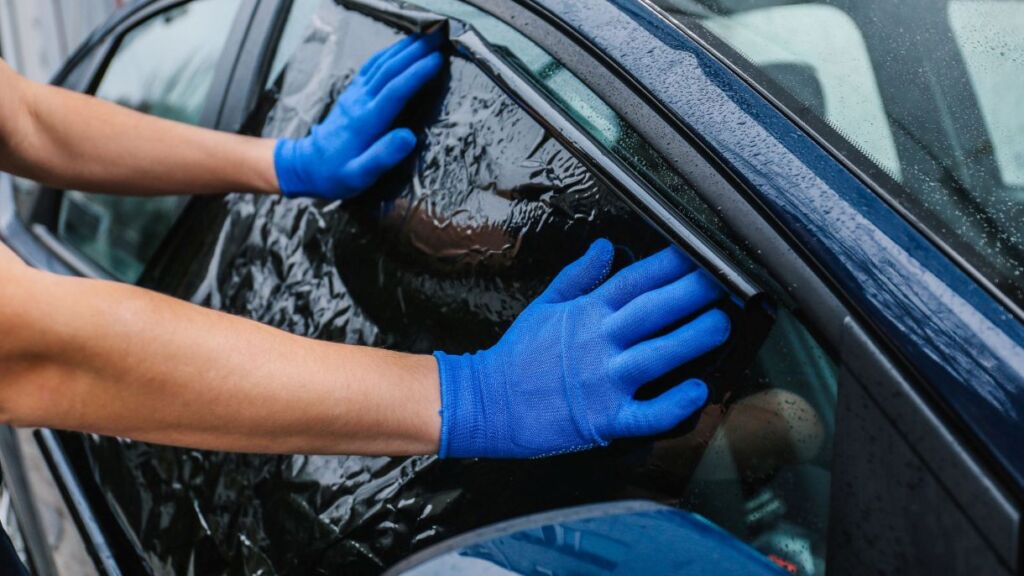
Ceramic Tint and Regular Tint Side-by-Side Comparison
When comparing ceramic tint vs regular tint side by side, it’s important to look beyond just appearance and consider key performance attributes. The table below highlights the major differences in heat rejection, UV protection, durability, clarity, and overall value to help you make an informed decision for your vehicle.
| Attribute | Ceramic Film | Regular Dyed Film |
| Heat/IR rejection | High: often 80 to 95% IR rejection published | Low to moderate: limited IR control |
| Total Solar Energy Rejected (TSER) | Moderate to high, depending on shade and brand | Low to moderate |
| UV blocking | Up to 99% UV (with reputable films) | Often up to 99% UV when quality-dyed, but varies |
| Glare reduction | Strong at equal darkness, with better optical clarity | Improves glare, but clarity may degrade with age |
| Night visibility | Good, especially at legal light shades | Acceptable initially; can haze or discolor over time |
| Electronics interference | None: non-metallic construction | None for dyed; metalized films can interfere |
| Fade resistance | Excellent: resists color shift and purpling | Fair: dyed layers may fade or purple |
| Durability | High: robust adhesives and coatings | Moderate: more prone to bubbling or color shift |
| Typical warranty | Long, often a lifetime against defects | Varies widely by quality level |
| Price range (full car, typical) | Higher: usually in the $400–$800+ range | Lower: often around $150–$350 |
Ceramic Tint vs Regular Tint
Advanced Technology and Performance
Ceramic tint uses cutting-edge non-metallic, nano-ceramic technology to block a higher percentage of heat and nearly all harmful UV rays. Unlike metallic or dyed films, ceramic tint does not interfere with electronic devices, GPS, or cell signals, and it maintains excellent visibility both day and night. Regular tint, typically made from dyed polyester, offers basic shading and privacy at a more affordable price, but its heat and UV rejection capabilities are limited.
Practical Considerations: Extreme Temperatures, Durability, and Clarity
In extreme temperatures, ceramic tint excels by keeping your vehicle’s interior cooler and protecting upholstery from sun damage. Its advanced construction resists fading, bubbling, and discoloration over time, ensuring long-term clarity and performance. Regular window tinting, while effective for basic glare reduction and privacy, may fade or lose effectiveness more quickly, especially in harsh climates.
Impact on Interior and Driver Comfort
Ceramic tint significantly enhances driver and passenger comfort by providing solar protection, reducing cabin temperatures, and minimizing glare, making long drives more pleasant. It also helps preserve your vehicle’s interior, preventing cracking and fading of seats and dashboards. Regular tint offers some improvement in comfort and privacy, but cannot match the advanced protection and cooling benefits of ceramic tint.
Long-Term Benefits and Realistic Expectations
While ceramic tint requires a higher initial investment, its long-term benefits—such as superior heat rejection, UV protection, and durability—often outweigh the upfront cost. Regular tint is a practical choice for those on a budget or in milder climates, but it may require more frequent replacement.
Common Misconceptions and Choosing the Right Tint
A common misconception is that all tints perform equally or that darker tints always provide better protection. In reality, ceramic tint’s technology allows for high performance even in lighter shades. Ceramic tint is ideal for those seeking maximum comfort, protection, and longevity, while regular tint is suitable for drivers prioritizing cost and basic privacy. Consider your climate, driving habits, and long-term goals when choosing between ceramic tint vs regular tint for your vehicle.
How to Tell Ceramic Tint From Regular Tint
Some drivers are unsure how to tell ceramic tint from regular tint when shopping or validating an install. Two simple checks help a lot.
-
- Heat-lamp or blow-dryer demo on sample panes
-
- IR meter readouts before and after installation
-
- Brand and line printed on film boxes or sample cards
-
- Night road test for halos, haze, or ripple
-
- Inspection of color uniformity in bright sun
If you need a more formal test, ask the shop to meter infrared rejection and visible light transmission in front of you. That’s the fastest way to settle the question of how to tell ceramic tint from regular tint without guesswork.
Ceramic Tint vs Regular Tint at Night
Nighttime visibility is a crucial factor when choosing between ceramic tint vs regular tint. Ceramic tint is engineered to maintain exceptional clarity after dark, thanks to its advanced nano-ceramic technology that blocks heat and UV rays without overly darkening your windows. This means you can enjoy reduced glare from headlights and streetlights while still seeing clearly through your windows.
In contrast, regular dyed tint may sometimes cause windows to appear darker at night, potentially reducing visibility and making it harder to see hazards or pedestrians. For drivers who frequently travel at night or in low-light conditions, ceramic tint offers a clear advantage by providing superior visibility and safety without sacrificing comfort or protection.
Is Ceramic Tint Better Than Regular Tint?
Yes, is generally considered better than regular tint due to its superior heat rejection, UV protection, and long-term durability. It maintains clear visibility and does not interfere with electronics, making it the preferred choice for those seeking maximum comfort and protection. While it comes at a higher upfront cost, the benefits of ceramic tint often outweigh those of regular tint for most drivers.
How Much Is Ceramic Tint vs Regular Tint?
The cost difference between ceramic tint vs regular tint can be significant. Ceramic tint typically ranges from $400 to $800 for a standard vehicle, reflecting its advanced technology and enhanced performance. In contrast, regular dyed tint usually costs between $100 and $300, making it a more budget-friendly option. While ceramic tint requires a higher initial investment, its superior heat rejection, UV protection, and durability often provide greater long-term value. Prices may vary based on vehicle size, tint brand, and installer expertise, so it’s best to request a personalized quote from a trusted professional like Apeax.
Is Ceramic Tint Worth the Extra Money?
Yes, ceramic tint is worth the extra money for drivers who value long-term comfort, protection, and durability. Its higher initial cost is offset by lasting performance and reduced maintenance, making it a smart investment for those seeking the best window tint solution.
Can You See Better Out of Ceramic Tint?
Yes, you can generally see better out of ceramic tint compared to regular tint. Ceramic tint is designed to reduce glare and maintain high optical clarity, even at night or in low-light conditions. This means you get effective heat and UV protection without sacrificing visibility, ensuring a safer and more comfortable driving experience.
Choosing the Best Option for Your Needs
Deciding between ceramic tint vs regular tint comes down to what matters most for your vehicle and lifestyle. If you want the highest level of heat rejection, UV protection, and long-term clarity—and are willing to invest more upfront—ceramic tint is the clear winner. For drivers who prioritize affordability and need basic privacy and sun protection, regular tint remains a practical and accessible choice.
No matter which option you select, professional installation is essential for achieving a flawless finish and maximizing the lifespan of your tint. Your vehicle is a valuable asset, and the right window tint not only safeguards that investment but also enhances your daily driving experience. Make your choice thoughtfully, care for your tint properly, and enjoy greater comfort and protection for years to come.
Why Apeax Is the Ultimate Choice for Your Window Tint Needs
If you’re considering ceramic tint vs regular tint, Apeax stands out as a leading manufacturer of premium PPF and window tint film, offering advanced ceramic tint solutions that deliver exceptional heat rejection, UV protection, and long-term clarity. Apeax Xtreme Ceramic Tint is engineered for drivers who demand maximum comfort, superior performance, and lasting aesthetics. Backed by a lifetime warranty, your investment in Apeax ceramic tint is protected for years to come.
If you’re unsure whether ceramic tint is the right fit for your vehicle, Apeax offers personalized advice and expert recommendations to help you make an informed choice. Visit Apeax.com or contact us at [email protected] for more information and professional guidance tailored to your needs.