

Paint protection film (PPF) is a clear, self-healing urethane layer designed to absorb chips, scratches, and stains, providing robust protection for your vehicle’s paint. Installing Apeax PPF on a new car is a smart move, as it preserves the pristine condition of your paint from day one. In real-world terms, this means fewer touch-ups, a consistently better long-term gloss, and a stronger resale story when it’s time to sell. While there is an upfront cost and some installation time involved, these are minor considerations compared to the long-term savings on paint repairs and the retention of your car’s value. Ultimately, the advantages and disadvantages of ppf come down to weighing these small drawbacks against the daily protection, superior clarity, and warranty-backed durability that Apeax PPF delivers.
That new-car glow is special. The paint is deep, glossy, and free of chips and swirls. Keeping it that way takes proactive care, which is why more new owners choose paint protection film right after delivery. Apeax PPF sits at the front of that conversation with optical clarity, strong impact resistance, and trusted warranty coverage that keeps you focused on driving, not worrying about your finish.
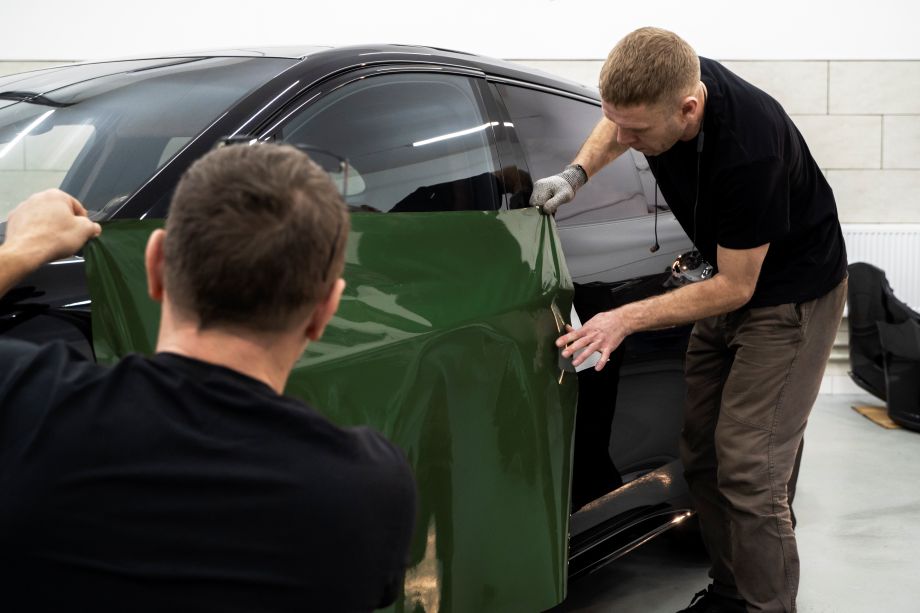
What paint protection film for cars actually does
PPF, or paint protection film, is a transparent, elastic top layer that takes the hit when rocks and road debris strike, then rebounds. Most premium films use a polyurethane base that is thick enough to absorb impacts and a top coat that self-heals fine scratches when exposed to heat from the sun or warm water. That top coat also resists chemical staining from bugs, bird droppings, and traffic film.
Apeax PPF is engineered for clarity, so you get protection without dulling or orange peel. Professional installers use precision-cut patterns for your make and model, which leads to predictable edges and coverage on bumpers, hoods, fenders, mirrors, and more. The result is paint that stays newer for longer, with less polishing and fewer touch-ups.
Advantages of PPF on Cars: Why Install on a Brand-New Vehicle
Fresh paint is the easiest to preserve. Early installation avoids sealing in pre-existing chips or scratches, and the film bonds more consistently to a clean, defect-free surface. Owners who daily their cars on highways see the biggest gains. AAA has reported that road debris contributes to an average of 50,000 injuries and over 200,000 crashes annually in the United States, which gives you a sense of how often debris is flying around on busy roads. That risk shows up as chips on a front bumper, peppering on a hood, and sandblasting on rocker panels.
Chips are not just cosmetic. Bare metal or primer can oxidize over time, and repeated touch-ups leave a patched look that hurts curb appeal. With PPF in place, rock strikes hit the film, not the paint. You avoid the slow fade from UV exposure, etching from bird droppings, and micro-marring from frequent washes.
The practical payoff
Here is a clear look at common options people consider to protect new paint.
| Option | Protection Level | Typical Lifespan | Visual Impact | Maintenance | Cost Over Time |
| No protection | None for chips or scratches | N/A | Original finish | Frequent touch-ups, polishing | Higher over years due to repairs |
| Ceramic coating | Great hydrophobics, no impact protection | 2 to 5 years | High gloss | Easy washing, no chip defense | Moderate, periodic reapplication |
| PPF (Apeax) | Impact, scratch, and stain resistance with self-healing | Multi-year with warranty | Near-invisible | Simple wash routine | Upfront install, fewer repairs later |
Key phrase clarity matters for consumer research, so you will see people search the advantages and disadvantages of ppf. The core story is that PPF absorbs the abuse that usually scars paint. That is the daily win that owners feel. When it is time to sell or trade, a well-maintained finish supports a stronger price.
The Financial Advantages of PPF on Cars
Cosmetic damage costs money. National sources peg a quality panel repaint anywhere from a few hundred dollars for minor repair to several thousand for high-quality multi-panel work, and full repaints can easily stretch higher depending on the shop and paint system. Even small chips and bumper scuffs add up over the course of ownership. Meanwhile, CARFAX data shows that vehicle history issues and visible repairs can lower resale value, which is why many sellers prefer original paint in clean condition.
Apeax PPF helps reduce the need for repainting and spot fixes by catching chips before they reach the paint. You pay once for installation, then avoid many of the small recurring costs that come with unprotected driving. That cost profile is one of the most tangible benefits of ppf on car ownership, especially if you keep vehicles five to seven years.
Considering the Advantages and Disadvantages of PPF on Cars
People ask for the paint protection film advantages and disadvantages. Let’s tackle the honest points buyers weigh, then show how Apeax addresses them.
- Upfront investment: Professional installation is not cheap. Counterpoint: the payback shows up in avoided panel resprays, fewer detailing hours, and stronger resale. Many owners recoup more than the difference at trade-in when the exterior presents as original and clean.
- Visible edges: If you look closely, you can see film edges on certain panels. Counterpoint: Apeax installers use refined patterns and, when safe, wrap edges for a cleaner look. Optical clarity keeps the film virtually invisible at normal viewing distance.
- Maintenance myths: Some think PPF requires special care. Counterpoint: routine wash and dry is usually enough. Apeax films tolerate pH-neutral soaps and most drying methods. No need for aggressive polishing.
- Installer skill variance: Installation quality matters. Counterpoint: choosing a trained professional with strong reviews and a proper workspace eliminates most risks. Apeax backs certified partners and provides warranty coverage for material performance.
Those are the practical advantages and disadvantages of ppf that buyers bring up in showrooms and forums. For most new car owners, the protection story, long-term clarity, and warranty support make the choice straightforward.
How Apeax Excels in the Paint Protection Film Advantages and Disadvantages
Lots of products promise clear protection. The details decide whether you are happy three years from now.
- Strong clarity and gloss: Apeax focuses on low orange peel and a clean, wet look that pairs well with modern metallics and solids. Owners who want zero visual compromise tend to favor that finish.
- Durable top coat: The self-healing layer mends fine swirls with heat from the sun or a warm rinse. That keeps the car looking freshly detailed without frequent machine polishing.
- Stain resistance: Bird droppings, bug guts, and road tar are less likely to etch, which cuts down on aggressive chemical use and paint correction.
- Warranty-backed performance: Apeax offers long-term material coverage when the film is installed by approved professionals, giving you confidence that clarity and adhesion will hold up.
The bigger picture here is the practical advantages of paint protection film (ppf) on cars in everyday use. You get real-world defense with a finish that stays bright, not hazy.
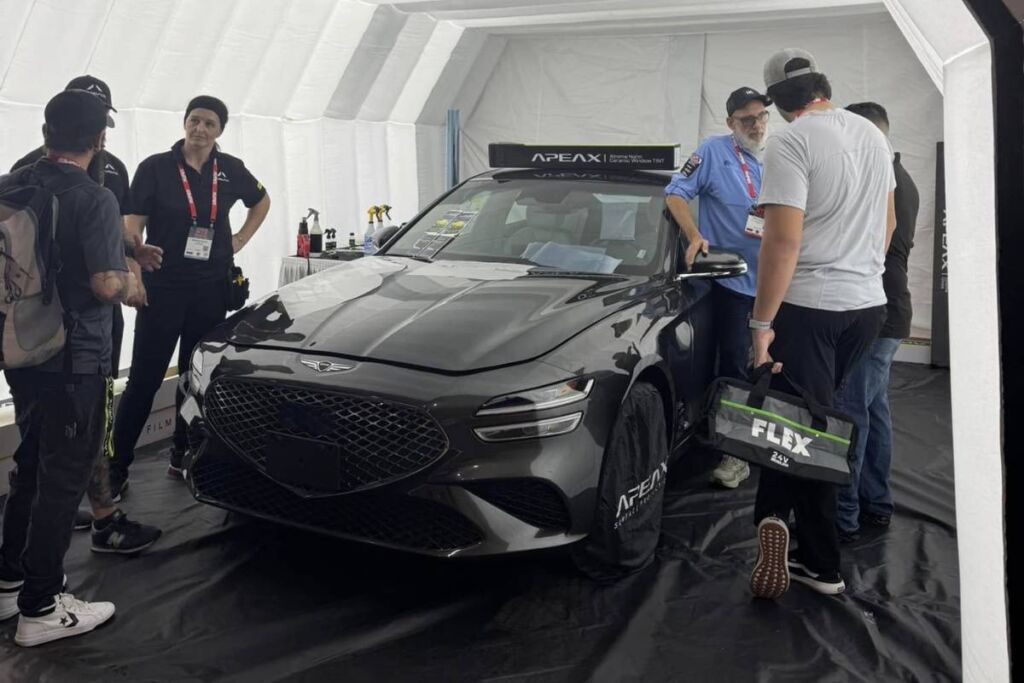
Professional Installation and the Benefits of PPF on Car
Many shops template and plot film from a digital library, which produces exact cuts for your panels. Installers then decontaminate the paint, perform any minor correction, and lay the film using slip solutions that allow precise placement before it locks down. A controlled space reduces dust, keeps edges clean, and helps the adhesive set evenly.
Most full-front installs take a day. Full-body wraps can take two to three days depending on panel count and complexity. A short curing period follows, and you are back on the road.
Care Tips for Maintaining Paint Protection Film for Car
Regular care is simple and quick. No special chemicals or rituals required.
- pH-neutral wash soap
- Soft wash mitt and microfiber drying towels
- Rinse bug splatter quickly
- Skip abrasive polishes
- Avoid high-pressure nozzles at film edges
How the Benefits of PPF on Cars Compare to Other Options
CERAMIC COATING: Great for slickness, shine, and easy washing. It does not absorb rock impacts. Many owners pair ceramic on top of PPF for maximum effect. The coating brings the gloss and hydrophobics, the film brings the impact protection.
WAX OR SEALANTS: Good for gloss and water beading but short-lived. Frequent reapplication means more time, and there is no chip defense.
Bare paint looks fantastic for a while. Then the weekly routine starts to etch and mar it. PPF for cars solves the impact and scratch side of the equation, and a coating on top solves the cleanup side.
Resale Value and the Benefits of PPF on Cars
Used buyers respond to clean, original paint. Industry guidance from valuation sites and dealers notes that visible chips, bumper rash, and mismatch paint can reduce a buyer’s confidence. While every sale is unique, clean paint helps you hold a stronger number and speeds up the sale. This is one of the most underappreciated benefits of ppf on car ownership, especially for colors and finishes where touch-ups stand out.
Clarity and Style: Advantages of PPF on Cars
Apeax PPF is optically tuned, which keeps metallic flake popping and solid colors rich. It pairs nicely with a ceramic top coat for maximum slickness. If you prefer stealth or matte finishes, a satin variant can give you that factory-matte look while providing the same protection.
For anyone still weighing the advantages and disadvantages of paint protection film, book a short consult with an Apeax-certified installer. They can show real cars in the shop, point out edges and wrap options, and provide a quote for full-front or full-body coverage. Seeing the film on paint in person makes the decision simpler.
Key phrases many shoppers use while researching include paint protection film for car, advantages of ppf on cars, and paint protection film advantages and disadvantages. Make a note of those if you want to compare reviews and warranties. You will quickly see that the advantages and disadvantages of ppf largely come down to the film’s quality and the installer’s skill, which is why Apeax focuses on both.
Benefits of PPF on Cars: Ready to Protect Your Investment?
Don’t wait until chips and scratches appear—give your new car the protection it deserves from day one. Whether you want invisible defense, a bold new look with color PPF or black PPF, or a finish that matches your style with Xtreme Gloss PPF or Xtreme Matte PPF, Apeax has you covered. Contact an Apeax-certified installer today for a personalized quote and see the difference professional paint protection film can make for your vehicle.
Frequently Asked Questions
What is paint protection film (PPF) and how does it work? Paint protection film is a transparent, self-healing urethane layer applied to your vehicle’s exterior. It absorbs impacts from rocks, road debris, and minor abrasions, preventing chips, scratches, and stains from reaching your paint.
How long does Apeax PPF last? Apeax PPF is engineered for long-term durability and comes with a warranty when installed by certified professionals. With proper care, it can protect your car for many years.
Will PPF affect the appearance of my car? No—Apeax PPF is optically clear and designed to maintain your car’s original gloss and color. There are also color PPF or black PPF, or a finish that matches your style with Xtreme Gloss PPF or Xtreme Matte PPF, if you want to customize your look.
Can PPF be removed? Yes, professional installers can safely remove PPF without damaging your paint, making it a reversible investment.
Is PPF only for new cars? While early installation offers the best protection, PPF can also be applied to used vehicles after any necessary paint correction.
How do I care for my car after PPF installation? Routine washing with pH-neutral soap and a soft mitt is all that’s needed. Avoid abrasive polishes and high-pressure water at the film’s edges.
Does PPF come with a warranty? Yes, Apeax PPF includes warranty coverage when installed by certified professionals, giving you peace of mind for years to come.